
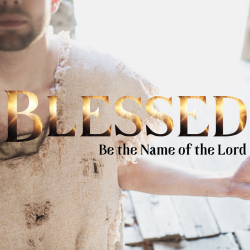
A worship service opens with the Nicene Creed and prayers that name God as Father, Son, and Holy Spirit. The congregation begins a sermon series through the book of Job to walk from Ash Wednesday to Easter, centering on real suffering and where God is in the middle of it. The narrative frames Job as a wealthy, faithful man who loses everything in a single day—wealth, servants, and children—and responds by worshiping, declaring, “Blessed be the name of the Lord,” and admitting that the Lord both gives and takes away.
An extended personal story of travel trouble, car failure, and injury illustrates how ordinary life can collapse into seasons of intense suffering. Three distinct ways to respond to such suffering receive attention: let it destroy, let it define, or let it develop. The text argues that suffering does not primarily answer “why” but reveals who God is and how God acts toward people in pain.
Names of God anchor the theological response. The personal name Yahweh appears as the God who is merciful, gracious, slow to anger, and rich in steadfast love and faithfulness—qualities that matter when people cry out in pain. Another name, El Shaddai, surfaces as the almighty God who remains sovereign, who both knows more than humans and uses suffering to develop character and witness. The haunting claim that God sent his Son underscores a God willing to give and to suffer for redemption.
Theology moves into pastoral care when the congregation prays for a member named Tom, asking for healing and for God’s presence in the valley. Confession and assurance stress that, while sin separates, Christ’s passion reconciles; the liturgy affirms that by Jesus’ wounds people find healing. Communion follows as a tangible means to receive the body and blood of Christ, paired with an invitation for prayer ministry for those who need further support.
The closing benediction restates the main thrust: God is with people amid suffering, is almighty, and gives hope that stretches beyond death. The series through Job aims to let scars speak to other scars and to point all sorrow toward the cross and the risen life that follows it.
Leave a Reply